Blog

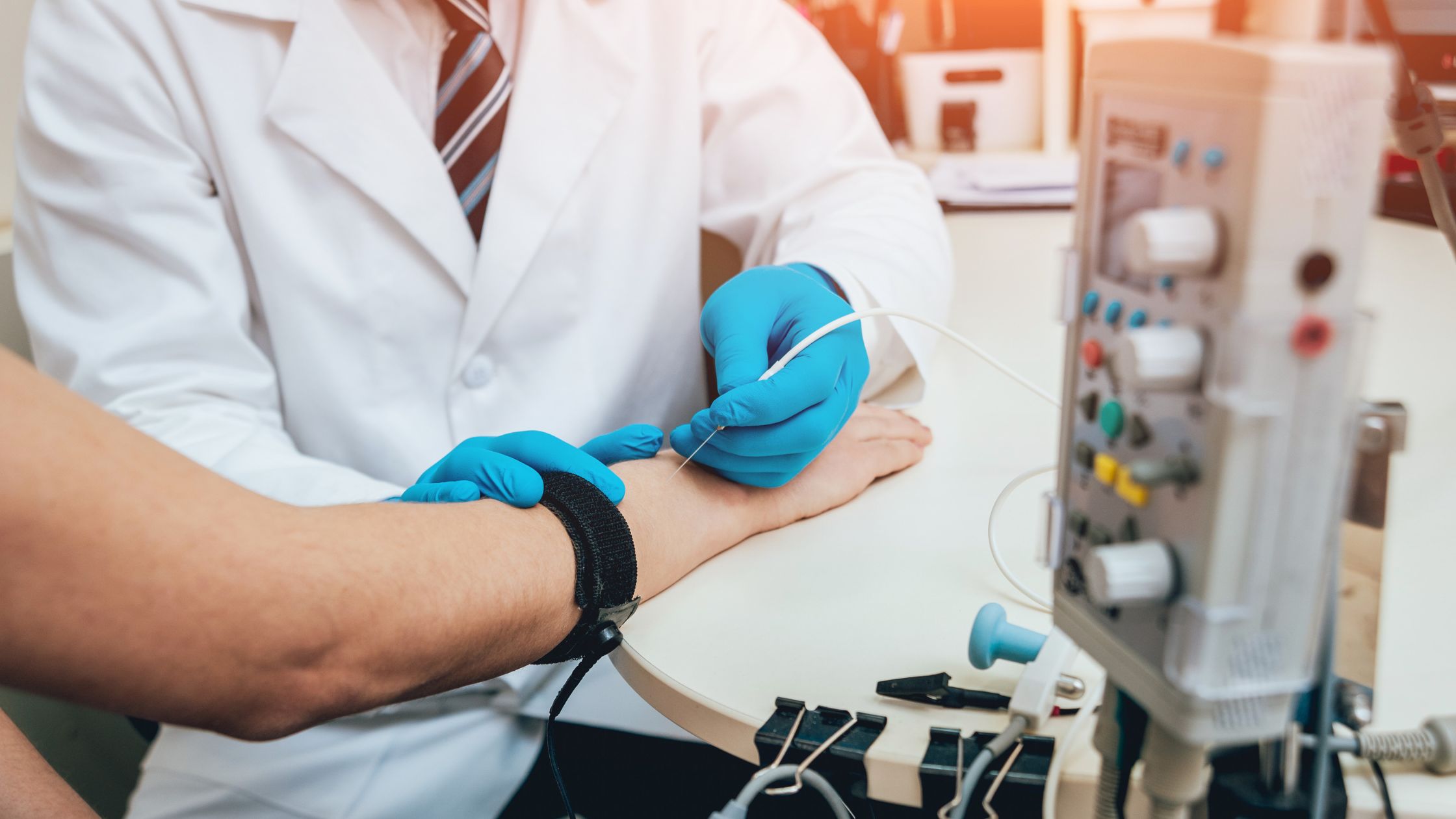
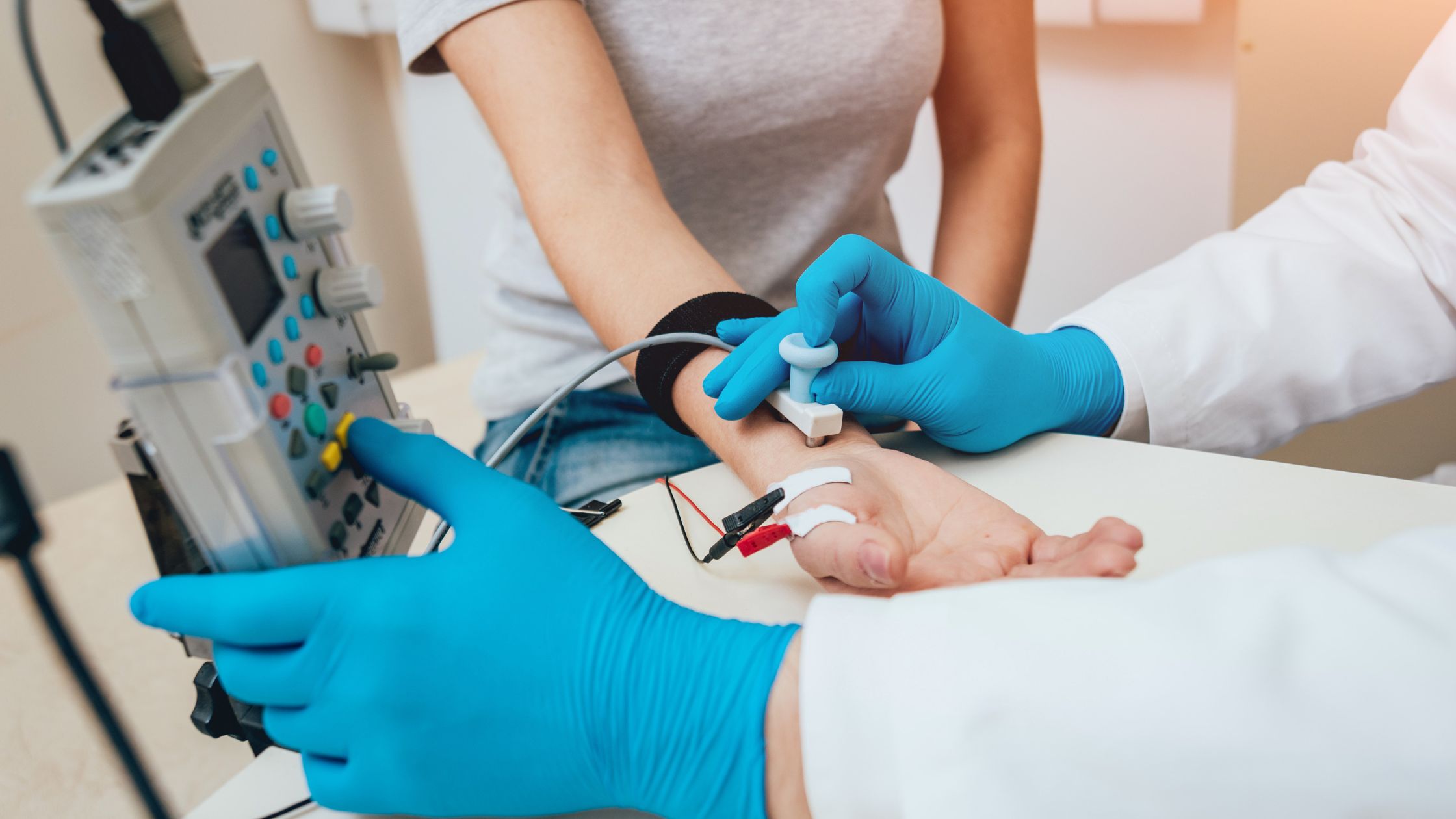
If your doctor has ordered an EMG (electromyography) or NCS (nerve conduction study), it’s completely normal to have questions about what the test feels like and what happens during the appointment. Many patients hear the words “electrical test” or “needle exam” and immediately feel anxious—but the reality is far less intimidating than it sounds. EMG/NCS testing is safe, straightforward, and one...

If your doctor has recommended an EMG or Nerve Conduction Study (NCS), you may be wondering why—and what these tests are designed to uncover. The terms can sound intimidating, but the tests themselves are safe, highly informative tools that help explain symptoms many patients live with for months or even years. EMG/NCS testing looks at how well your nerves and muscles...

When it comes to diagnosing nerve and muscle problems, EMG (electromyography) and neuromuscular ultrasound are two of the most powerful tools available. Each test provides important information on its own—but when used together, they offer a level of clarity that no single test can match. Combining EMG with ultrasound gives your doctor both electrical data and real-time anatomical imaging, creating a...

If your doctor ordered an EMG (electromyography) or a Nerve Conduction Study (NCS), it’s normal to have questions about the test. Understanding what will happen and why it’s being done can make the experience smoother, less stressful, and far more empowering. EMG and NCS are some of the most important tools for diagnosing conditions like carpal tunnel syndrome, radiculopathy, neuropathy, and...

Neuromuscular ultrasound is one of the fastest and safest ways to diagnose nerve, tendon, and soft-tissue problems. It’s painless, radiation-free, and performed in real time—meaning your provider can actually see what’s happening beneath the skin as you move. For many patients, ultrasound provides answers faster than MRI and with far more detail about how nerves and tendons function dynamically. Here are...

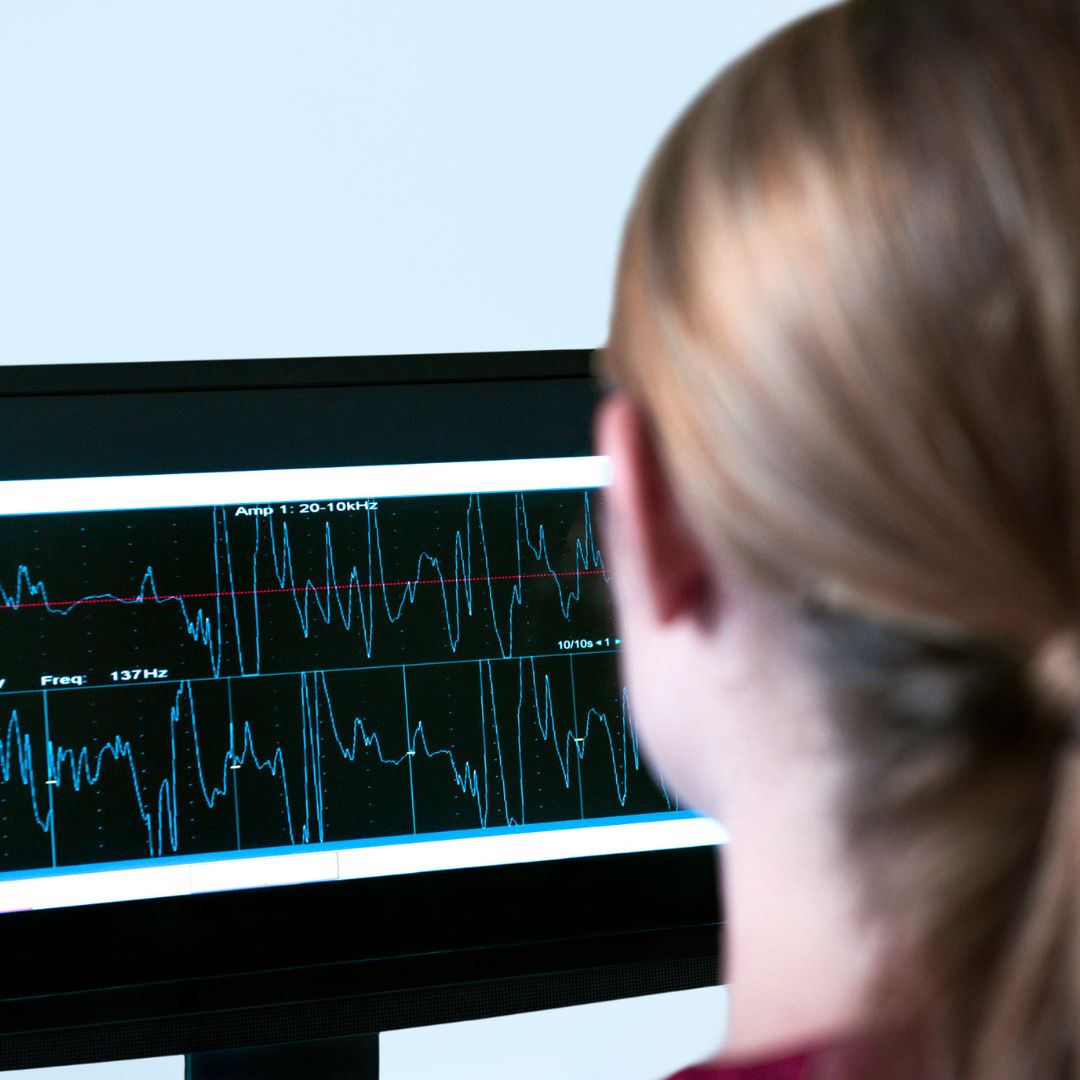
If you’ve been dealing with numbness, tingling, burning, weakness, or radiating pain, your doctor may recommend an EMG (electromyography) and NCS (nerve conduction study). These tests help identify some of the most common—and often most frustrating—nerve problems people face. Unlike MRI or X-ray, which show structure, EMG/NCS shows function—how your nerves and muscles are actually working in real time. That means...

When you’re dealing with pain, swelling, numbness, or limited movement, your doctor may order imaging to help identify the cause. While X-rays are a great tool for evaluating bones, they can’t show everything—especially when it comes to soft tissue. That’s where musculoskeletal and neuromuscular ultrasound shine. Ultrasound offers real-time, radiation-free, highly detailed imaging of structures that X-rays simply cannot visualize. For...

When you’re dealing with symptoms like weakness, numbness, tingling, or unexplained pain, one of the biggest challenges is figuring out where the problem actually starts. Is it the nerve sending the wrong signal—or the muscle itself not responding correctly? This is where EMG (electromyography) and NCS (nerve conduction studies) become essential tools. Unlike imaging tests like X-rays or MRIs—which show structure...

If you’re dealing with radiating pain, numbness, tingling, or weakness in your arms or legs, your doctor may suspect a pinched nerve—also known as radiculopathy. This happens when a nerve root in the neck or lower back becomes compressed or irritated. While symptoms can be frustrating, the good news is that EMG (electromyography) and NCS (nerve conduction studies) are powerful...

If your doctor has recommended an EMG or a nerve conduction study (NCS), you may be wondering what the difference is between the two. Many patients think they’re the same test, but while they work together, they measure very different things. Understanding these differences can help you feel more comfortable and confident walking into your appointment. EMG and NCS are some...

Island Rheumatology and Osteoporosis, PC