Author: Admin

When you’re dealing with pain, swelling, numbness, or limited movement, your doctor may order imaging to help identify the cause. While X-rays are a great tool for evaluating bones, they can’t show everything—especially when it comes to soft tissue. That’s where musculoskeletal and neuromuscular ultrasound shine. Ultrasound offers real-time, radiation-free, highly detailed imaging of structures that X-rays simply cannot visualize. For...

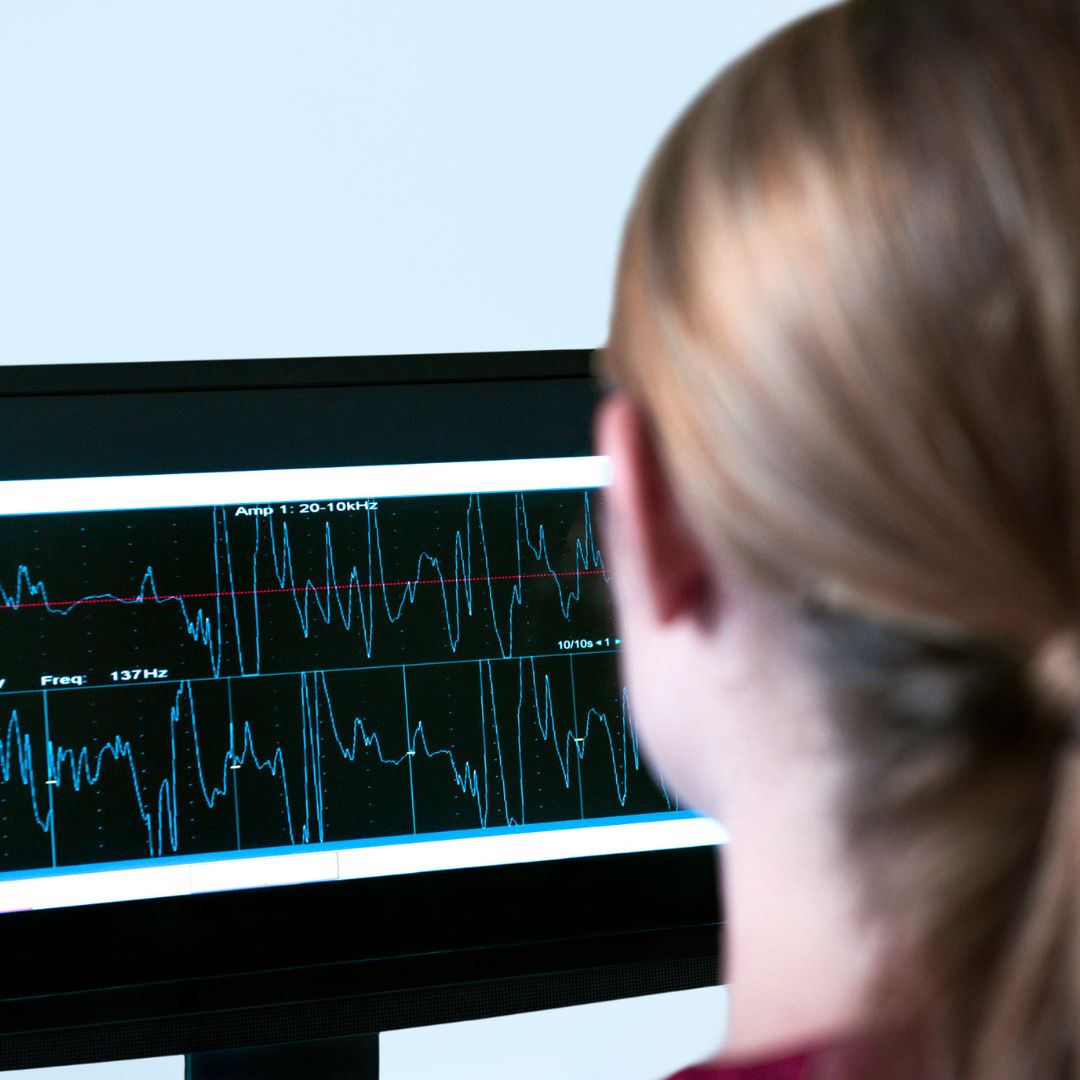
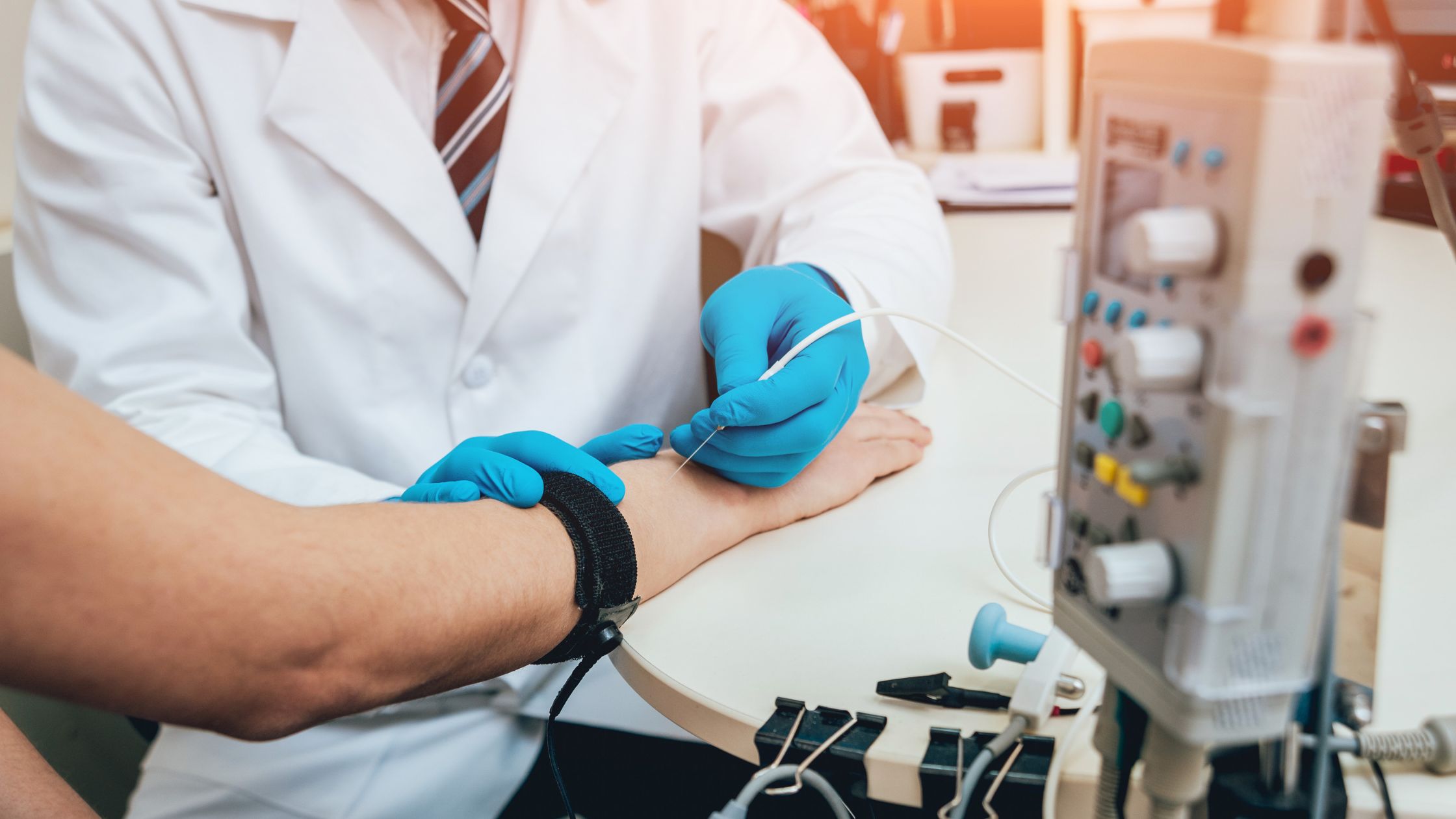
When you’re dealing with symptoms like weakness, numbness, tingling, or unexplained pain, one of the biggest challenges is figuring out where the problem actually starts. Is it the nerve sending the wrong signal—or the muscle itself not responding correctly? This is where EMG (electromyography) and NCS (nerve conduction studies) become essential tools. Unlike imaging tests like X-rays or MRIs—which show structure...

If you’re dealing with radiating pain, numbness, tingling, or weakness in your arms or legs, your doctor may suspect a pinched nerve—also known as radiculopathy. This happens when a nerve root in the neck or lower back becomes compressed or irritated. While symptoms can be frustrating, the good news is that EMG (electromyography) and NCS (nerve conduction studies) are powerful...

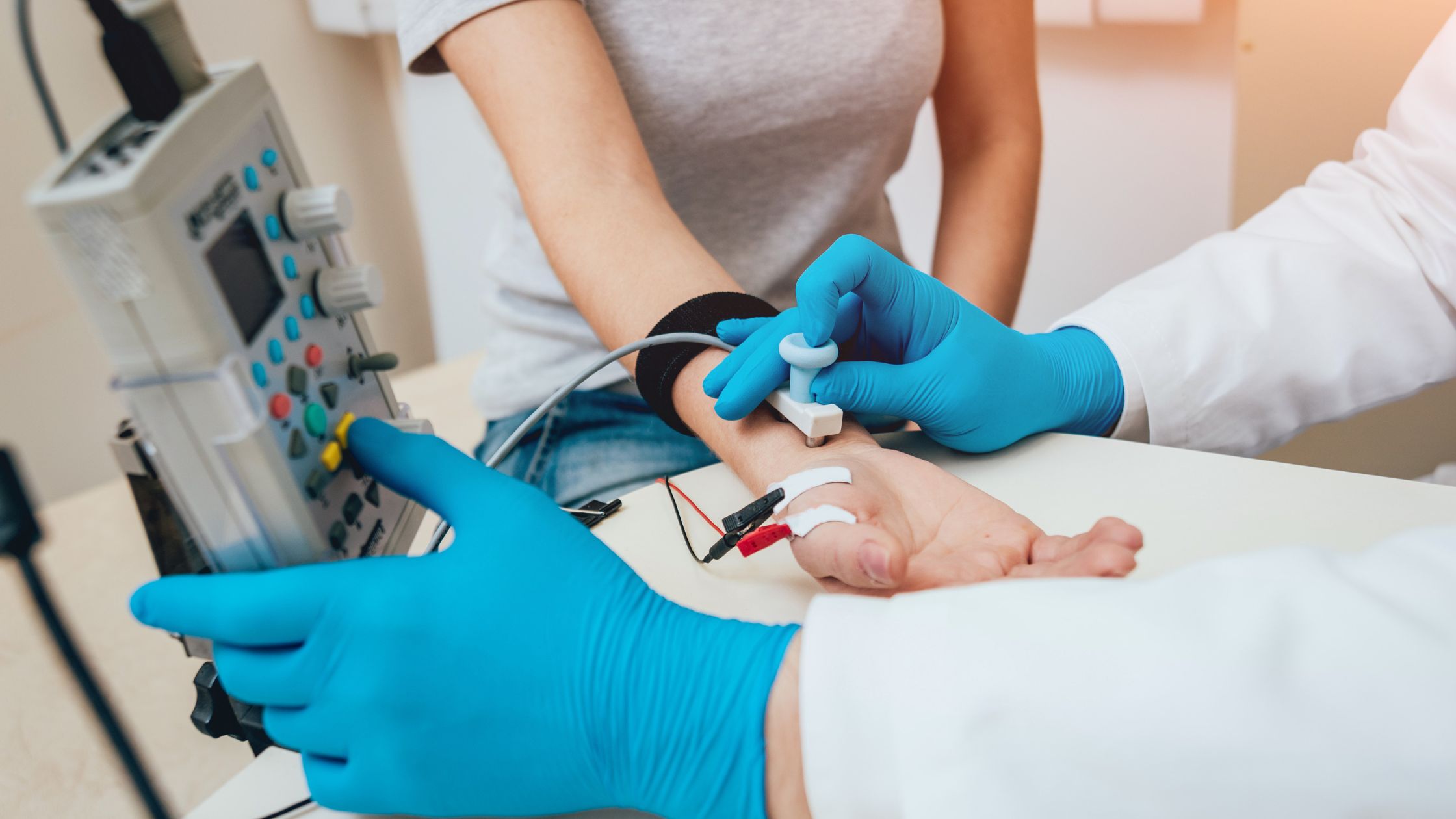
If your doctor has recommended an EMG or a nerve conduction study (NCS), you may be wondering what the difference is between the two. Many patients think they’re the same test, but while they work together, they measure very different things. Understanding these differences can help you feel more comfortable and confident walking into your appointment. EMG and NCS are some...

If your doctor has recommended an EMG or a Nerve Conduction Study (NCS), you might be wondering: What’s the difference? Although these tests are usually done together, they measure completely different things—and both are essential for diagnosing nerve and muscle problems accurately. Whether you're dealing with numbness, tingling, weakness, radiating pain, or unexplained symptoms, understanding these differences can help you feel...

When it comes to nerve-related symptoms like numbness, tingling, weakness, radiating pain, or burning sensations, timing matters. The earlier your doctor can identify the cause, the better your chances are for successful treatment and faster recovery. That’s where EMG (electromyography) and NCS (nerve conduction studies) come in. These tests evaluate how well your nerves and muscles are working—and they detect abnormalities...

When you’re dealing with pain, numbness, tingling, or weakness, your doctor may recommend imaging to figure out what’s happening beneath the surface. While MRI is an excellent tool for many conditions, neuromuscular ultrasound offers several unique advantages—especially when evaluating nerves, tendons, and soft tissue in real time. Neuromuscular ultrasound is fast, dynamic, radiation-free, and extremely effective at diagnosing a wide range...

Rheumatoid Arthritis (RA) can feel unpredictable. Some days, your joints ache and fatigue hits hard; other days, you move almost like normal. While no single habit can cure RA, how you live each day plays a powerful role in how the disease behaves. Modern treatments have transformed RA from a disabling condition into a manageable one — but medications work best...

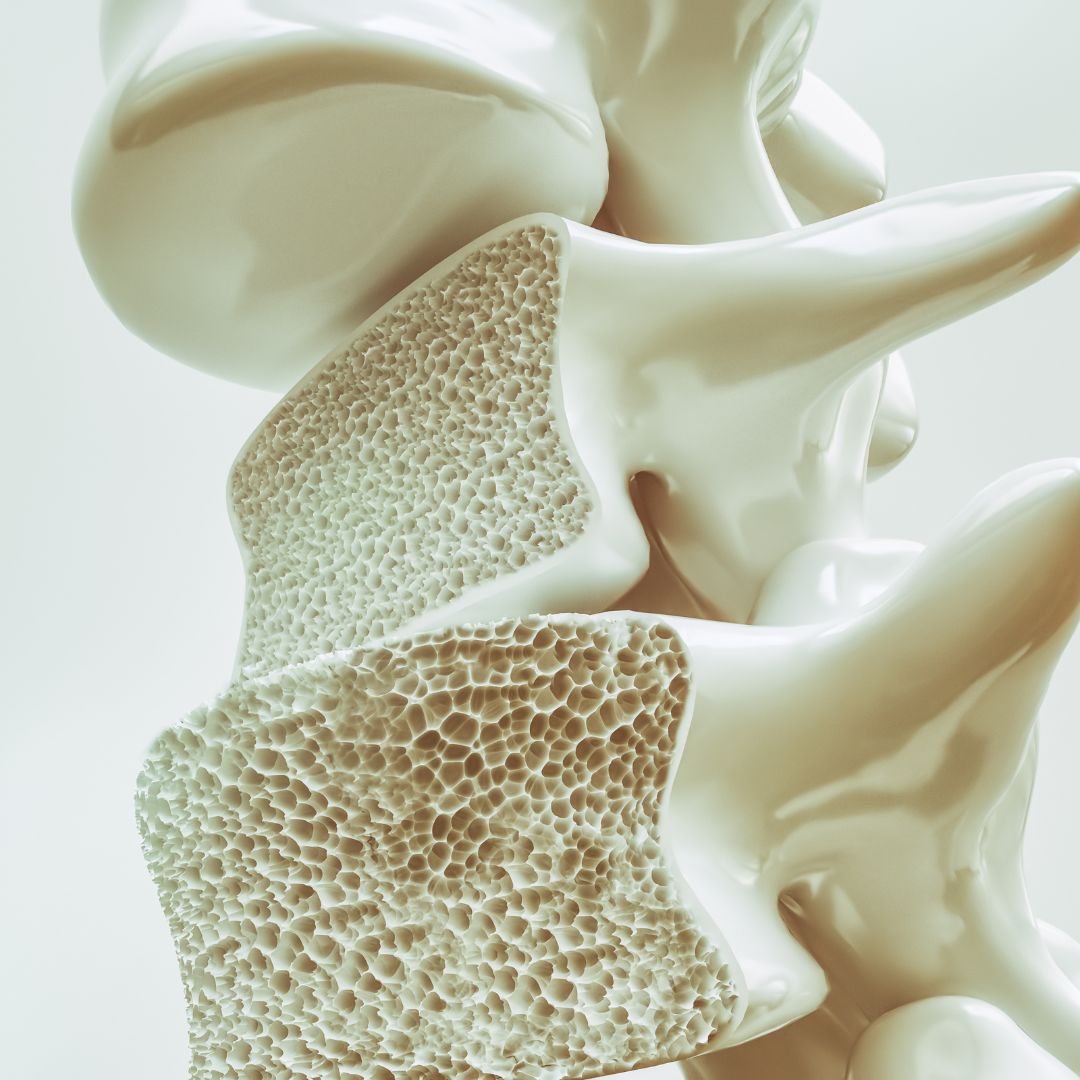
Osteoporosis doesn’t announce itself with pain or swelling. It works quietly, thinning bones over time until a simple slip or cough causes a break. The key to preventing this “silent disease” is knowing your personal risk factors before bone loss progresses too far. While anyone can develop osteoporosis, certain traits, habits, and health conditions raise your chances significantly. If you recognize...

Island Rheumatology and Osteoporosis, PC