

27 Jul Chronic Gout: What Happens If You Don’t Treat It?
Gout is often thought of as an occasional flare of joint pain—something that comes and goes. But untreated gout is not just a temporary problem. Over time, it can become a chronic, progressive disease that causes permanent damage to your joints and overall health.
Understanding what happens when gout is left untreated can help you take the condition seriously and avoid long-term complications.
What Is Chronic Gout?
Gout begins with intermittent attacks caused by uric acid crystals forming in the joints. In the early stages, these attacks may happen only occasionally and resolve on their own or with treatment.
However, if uric acid levels remain high, crystals continue to accumulate. Over time, gout can progress into chronic gout, where inflammation becomes more frequent—or even constant.
At this stage, joint damage may already be developing.
What Causes Gout to Become Chronic?
The main reason gout becomes chronic is persistently elevated uric acid levels. Without proper treatment, uric acid continues to build up, leading to:
- More frequent attacks
- Longer-lasting symptoms
- Increased crystal deposits in joints and tissues
Even if symptoms improve between attacks, the disease is still progressing beneath the surface.
What Happens If Gout Is Not Treated?
1. More Frequent and Severe Attacks
Early gout attacks may occur once or twice a year. Over time, untreated gout can lead to:
- Attacks happening every few months—or even weekly
- Pain lasting longer and becoming harder to control
- Multiple joints becoming involved
The pattern shifts from occasional flares to ongoing disease.
2. Permanent Joint Damage
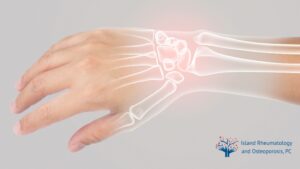
Repeated inflammation damages cartilage and bone. This can lead to:
- Chronic joint pain
- Loss of mobility
- Joint deformity
Once joint damage occurs, it cannot be reversed.
3. Tophi Formation
Tophi are hard deposits of uric acid crystals that form under the skin. They often appear in:
- Fingers and toes
- Elbows
- Ears
Tophi can:
- Become visible and disfiguring
- Interfere with joint movement
- Cause skin breakdown or infection
Their presence is a sign of advanced, untreated gout.
4. Kidney Stones
Excess uric acid doesn’t just affect the joints—it can also form crystals in the kidneys.
This can lead to:
- Painful kidney stones
- Urinary tract complications
- Increased risk of kidney damage
5. Chronic Kidney Disease
Over time, high uric acid levels can contribute to worsening kidney function. This creates a cycle:
- Poor kidney function → less uric acid excretion
- Higher uric acid → more gout progression
6. Reduced Quality of Life
Chronic gout can interfere with daily activities, including:
- Walking and mobility
- Sleep (especially with nighttime attacks)
- Work and physical activity
Many patients experience ongoing discomfort and limitations if the condition is not controlled.
Why Some People Don’t Treat Gout
Despite the risks, gout is often undertreated. Common reasons include:
- Symptoms come and go, so it seems temporary
- Misunderstanding that diet alone can control it
- Concerns about long-term medications
- Lack of consistent medical follow-up
Unfortunately, waiting until symptoms worsen often means the disease has already progressed.
How to Prevent Chronic Gout
The key to preventing chronic gout is controlling uric acid levels early and consistently.
1. Lower Uric Acid Levels
The goal is to keep uric acid below 6 mg/dL to prevent crystal formation.
This is usually achieved with medications such as:
- Allopurinol
- Febuxostat
- Probenecid
These medications are used long-term to stop disease progression.
2. Treat Flares Quickly
Early treatment of acute attacks can reduce inflammation and limit damage.
Options include:
- Colchicine
- NSAIDs
- Steroids
3. Make Lifestyle Changes
While not enough alone for most patients, lifestyle changes can help:
- Drink plenty of water
- Limit alcohol and sugary drinks
- Reduce high-purine foods
- Maintain a healthy weight
4. Stay Consistent With Care
Gout is a chronic condition, even if symptoms are not always present. Regular follow-up and lab monitoring are essential.
When to See a Doctor
You should seek medical care if:
- You’ve had more than one gout attack
- Attacks are becoming more frequent
- You notice lumps under the skin
- Pain is persistent or worsening
Early treatment can prevent long-term complications.
The Bottom Line
Gout is not just a temporary flare—it is a progressive disease if left untreated. What starts as occasional joint pain can lead to chronic inflammation, permanent joint damage, tophi, and kidney problems.
The good news is that gout is one of the most treatable forms of arthritis. With proper management—especially controlling uric acid levels—you can prevent complications and protect your joints for the long term.
Taking gout seriously today can save you from significant pain and disability in the future.
