
10 Jul Anti-Inflammatory Diets: What Works and What Doesn’t
Inflammation is the body’s natural defense mechanism — a short-term response to injury or infection. But when inflammation becomes chronic, it can quietly fuel a wide range of health problems, including rheumatoid arthritis, psoriatic arthritis, lupus, osteoporosis, heart disease, and even depression. That’s why the idea of an “anti-inflammatory diet” has gained so much attention.
At Island Rheumatology, we’re often asked: Can food really reduce inflammation? The answer is yes — but not all anti-inflammatory diets are created equal. Let’s explore what works, what doesn’t, and how to build a sustainable eating plan that supports your health.
🔬 What Is an Anti-Inflammatory Diet?
An anti-inflammatory diet isn’t a rigid set of rules — it’s a pattern of eating that emphasizes whole, nutrient-dense foods and minimizes processed, pro-inflammatory ingredients. The goal is to reduce the body’s inflammatory response by supporting gut health, blood sugar balance, and immune regulation.
This approach is especially helpful for people with autoimmune or inflammatory conditions, where the immune system is already overactive.
✅ What Works: Evidence-Based Anti-Inflammatory Foods
- Colorful Fruits and Vegetables
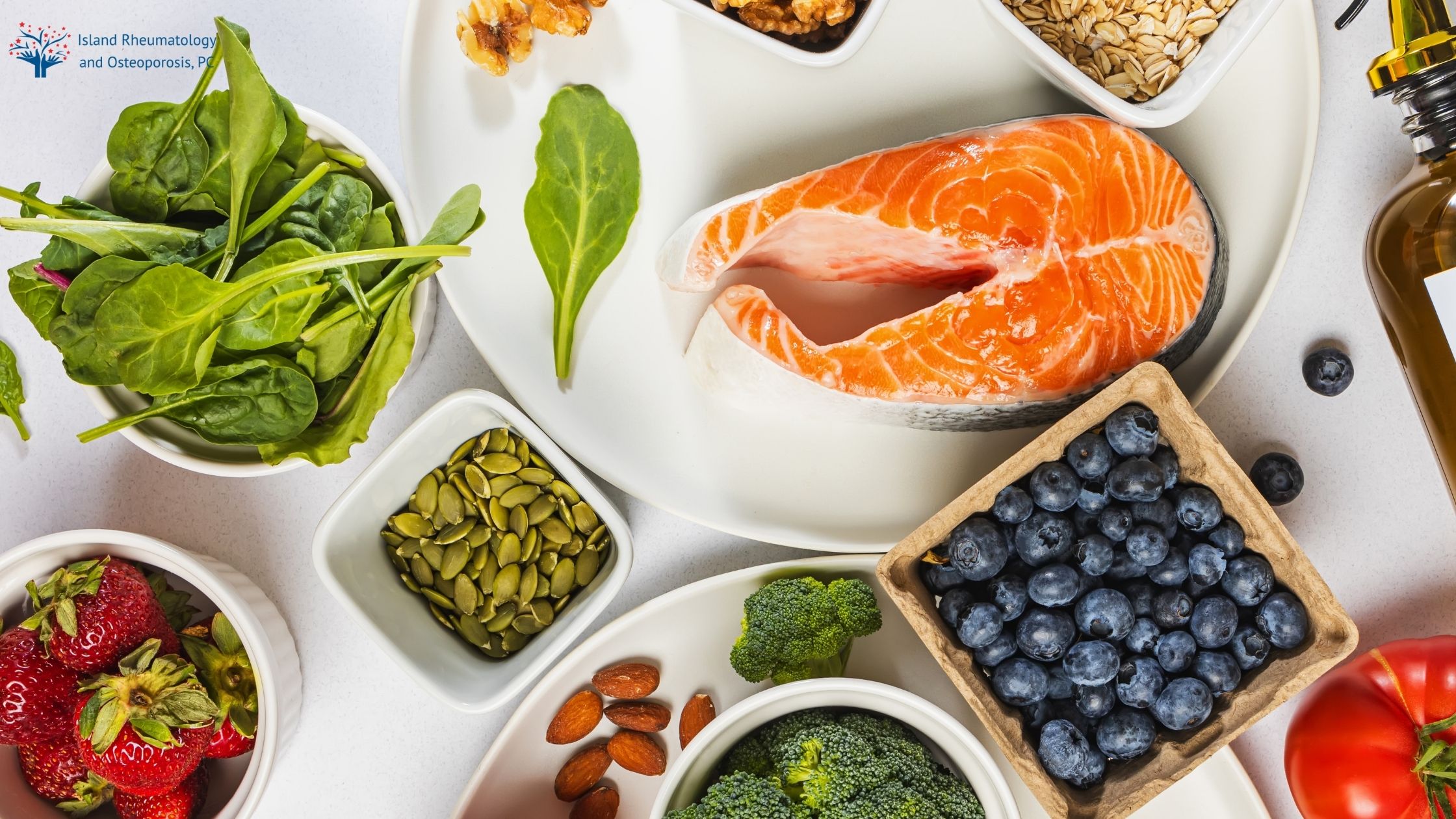
Packed with antioxidants, fiber, and phytonutrients, produce like berries, leafy greens, broccoli, and bell peppers help neutralize free radicals and reduce inflammation.
- Fatty Fish
Salmon, sardines, mackerel, and tuna are rich in omega-3 fatty acids, which have been shown to lower inflammatory markers and reduce joint pain in people with rheumatoid arthritis.
- Whole Grains
Brown rice, quinoa, oats, and barley provide fiber and B vitamins that support gut health and reduce systemic inflammation.
- Nuts and Seeds
Almonds, walnuts, flaxseeds, and chia seeds offer healthy fats, magnesium, and antioxidants that help regulate immune function.
- Olive Oil
A staple of the Mediterranean diet, extra virgin olive oil contains oleocanthal — a compound with anti-inflammatory effects similar to ibuprofen.
- Herbs and Spices
Turmeric, ginger, garlic, and cinnamon have natural anti-inflammatory properties and can add flavor without added salt or sugar.
- Fermented Foods
Yogurt, kefir, sauerkraut, and kimchi support a healthy gut microbiome, which plays a key role in immune regulation and inflammation control.
❌ What Doesn’t Work: Common Pitfalls and Myths
- Elimination Diets Without Guidance
Cutting out entire food groups (like gluten or dairy) without medical supervision can lead to nutrient deficiencies. Unless you have a diagnosed intolerance or allergy, these foods aren’t inherently inflammatory for everyone.
- “Detox” or “Cleanse” Diets
Juice cleanses and extreme detoxes may promise quick results, but they often lack protein, fiber, and essential nutrients — and can actually stress the body.
- Overreliance on Supplements
While omega-3s and vitamin D can be helpful, no supplement can replace a balanced diet. Always talk to your doctor before starting new supplements.
- Assuming All Plant-Based Diets Are Anti-Inflammatory
A vegan diet filled with refined carbs, sugary snacks, and processed meat alternatives isn’t necessarily anti-inflammatory. Whole, minimally processed foods matter more than labels.
🧠 The Gut-Inflammation Connection
Your gut is home to trillions of bacteria that influence everything from digestion to immune function. A healthy, diverse microbiome helps regulate inflammation, while an imbalanced one (dysbiosis) can contribute to autoimmune flares.
Supporting gut health through fiber-rich foods, fermented products, and limiting processed foods is a cornerstone of any anti-inflammatory approach.
🥗 Sample Anti-Inflammatory Plate
- Half your plate: Colorful vegetables (spinach, carrots, broccoli)
- One-quarter: Lean protein (grilled salmon, lentils, or tofu)
- One-quarter: Whole grains (quinoa, brown rice, or farro)
- Healthy fat: Drizzle of olive oil or a handful of walnuts
- Bonus: Add herbs like turmeric or ginger for extra anti-inflammatory power
🧩 Personalization Is Key
Everyone’s body is different. What causes inflammation in one person may not in another. Some people with arthritis may feel better avoiding nightshades (like tomatoes or eggplant), while others tolerate them just fine.
Working with a rheumatologist and registered dietitian can help you identify your personal triggers and build a plan that works for your lifestyle and condition.
🏁 Final Thoughts
An anti-inflammatory diet isn’t about perfection — it’s about consistency and balance. By focusing on whole foods, healthy fats, and gut-friendly nutrients, you can support your immune system, reduce flares, and feel more in control of your health.
At Island Rheumatology, we’re here to help you connect the dots between what’s on your plate and how you feel. If you’re ready to explore how nutrition can support your treatment plan, let’s start the conversation.
